<?xml version="1.0" encoding="utf-8"?><feed xmlns="http://www.w3.org/2005/Atom" ><generator uri="https://jekyllrb.com/" version="3.10.0">Jekyll</generator><link href="http://junhopark.com/feed.xml" rel="self" type="application/atom+xml" /><link href="http://junhopark.com/" rel="alternate" type="text/html" /><updated>2025-01-28T08:38:27-06:00</updated><id>http://junhopark.com/feed.xml</id><title type="html">Junho Park</title><subtitle>My thoughts on software, being a people manager, music, life, and God</subtitle><author><name>Junho Park</name></author><entry><title type="html">Tips for my next trip to Korea</title><link href="http://junhopark.com/2023/03/28/tips-for-my-next-trip-to-korea.html" rel="alternate" type="text/html" title="Tips for my next trip to Korea" /><published>2023-03-28T00:00:00-05:00</published><updated>2023-03-28T00:00:00-05:00</updated><id>http://junhopark.com/2023/03/28/tips-for-my-next-trip-to-korea</id><content type="html" xml:base="http://junhopark.com/2023/03/28/tips-for-my-next-trip-to-korea.html"><![CDATA[<p>I recently returned home after a memorable 3-week trip to Korea with my parents and my youngest child. This was my 7th trip back to Korea after immigrating to the US in 1991 and there’s no doubt I’ll be returning to Korea within the next few years for yet another visit. Here’s a list of reminders to myself for the next time I decide to return to Korea (and I hope this list is helpful for those of you who are planning on visiting Korea):</p>

<ul>
  <li><strong>Bring a more compact stroller:</strong> I’m not sure if my youngest will still be small enough to be able to ride in a stroller the next time I visit Korea but if she is - I should bring a compact stroller (that I can still maneuver with one hand). I brought a Britax stroller that is considered to be a compact stroller in the US, it’s not compact in Korea &amp; was a pain to lug around. It barely fit into the trunk of taxis when folded (there were a few taxis where I wasn’t able to squeeze it into the trunk) and it was really cumbersome to carry around up and down the escalators.</li>
  <li><strong>Useful mobile apps:</strong> The most useful mobile apps for me were as follows:
    <ul>
      <li>Naver Maps: GPS navigation, incl. public transit</li>
      <li>Kakao Taxi: Like Uber/Lyft</li>
      <li>Kakao Talk: Essential messaging app when in Korea</li>
      <li>Trip.com: Like Expedia. I used it to book a 3-day trip to Jeju Island and got a really good price (around $600 for flight, hotel, rental car - for 4 people)</li>
      <li>Papago: Translation app</li>
      <li>Karrot (당근): Used marketplace app</li>
    </ul>
  </li>
  <li><strong>SIM card:</strong> Like when I traveled to Korea in late 2021, I purchased a SIM card (tied to a Korean phone number) on trazy.com and while I was satisfied with it in 2021, I was not satisfied this time around. I ran into a frustrating issue where my SIM card didn’t work for about 30 minutes until after I landed in Korea, customer support wasn’t great, and it felt expensive. I need to research a better option the next time I travel to Korea. If I’m gonna be out and about throughout the trip (ie, lack of Wi-Fi hotspots) I think I need to estimate about 2-3GB of data per week.</li>
  <li><strong>Ideally need both US + Korean phone numbers:</strong> While I was in Korea, I only had access to a Korean phone number and not also my US phone number. Next time I travel to Korea, I need to find a way to have access to both Korean &amp; my regular US number. During my visit to Korea this time around, there were some inconveniences I had to endure due to 2 factor authentications being tied to my US phone number.</li>
  <li><strong>Exchange less cash:</strong> I brought &amp; exchanged way too much cash (USD to KRW) for this visit because when I was in Korea, I repeatedly ran into issues where my (US-based) credit cards were rejected. This time around - this issue took place very infrequently. Next time I travel to Korea, I think I’ll still bring an ample amount of USD cash with me but only exchange a relatively a small amount to KRW. FYI - I got a good exchange rate at a place called Money Box in Insadong.</li>
  <li><strong>Hotel:</strong> I stayed at Orakai Insadong Suites (booked it on booking.com) this time and I loved it. My parents loved it as well. It’s very likely that I’ll want to stay there again the next time I visit. The price (around $145/might) was fantastic for what I ended up getting (2 bedrooms, 1 bath, kitchen, living room, large laundry room that’s the size of a tiny bedroom) plus access to a large pool and a nice fitness center. Plus the location of the hotel is fantastic (Insadong / 인사동) with a lot of stores, street vendors, and very close to multiple public transit stops.</li>
  <li><strong>Bring a better travel tripod:</strong> I need to invest in a better, more travel-friendly tripod for my next visit to Korea. I brought a cheap one with me from home, lost it about a week into my trip, and then bought a $4 one at Daiso. It was better than not having one but… it sucked.</li>
  <li><strong>My favorite place to shop:</strong> Next time I come to Korea, I need to head straight to a Daiso (or, several Daisos) as soon as I arrive in Korea.</li>
</ul>

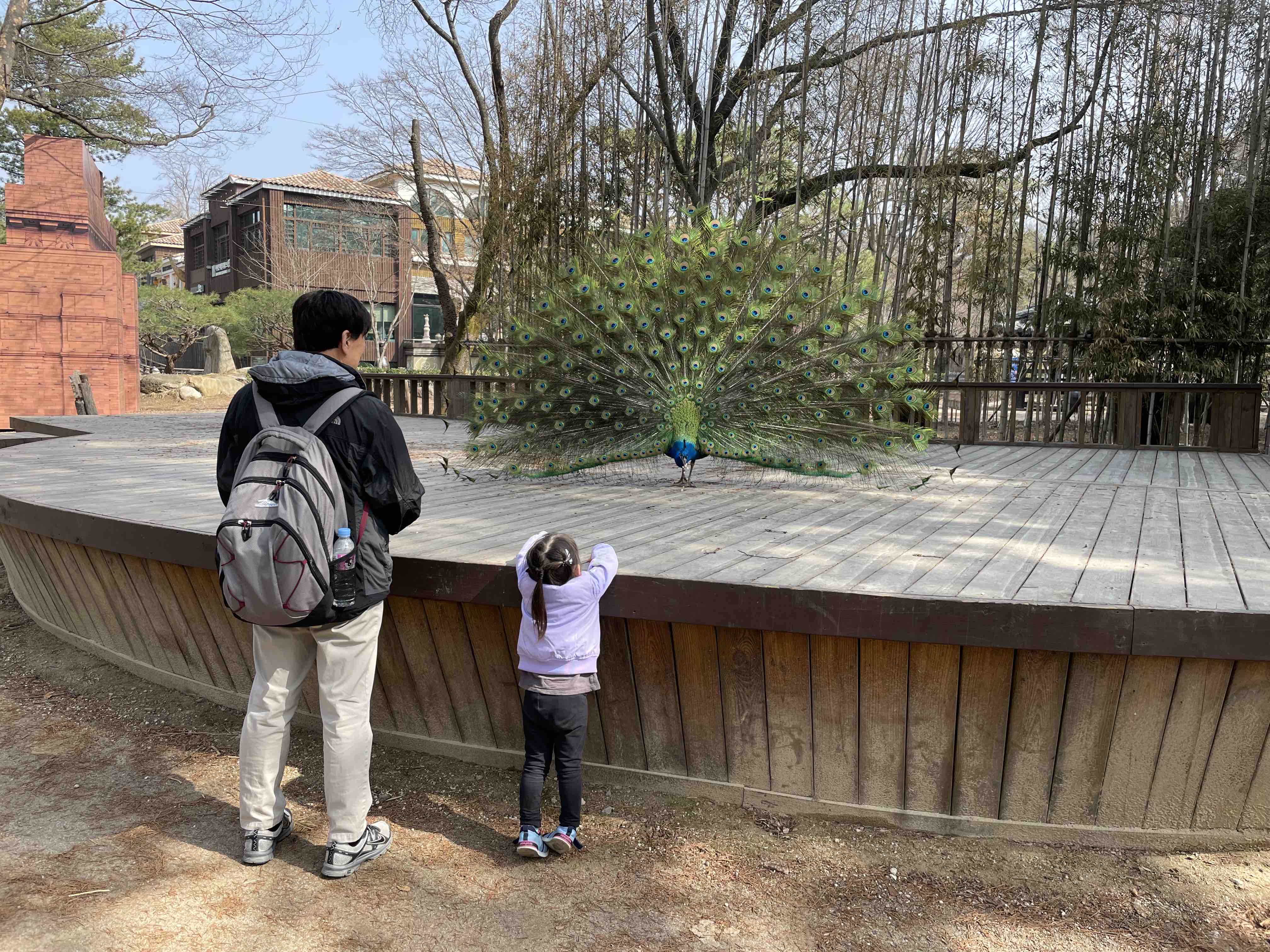
<p>Witnessing a peacock spread its feathers in Nami Island (남이섬):
<img src="/assets/images/nami.jpg" alt="Peacock" /></p>

<p>Cable car ride in Mokpo:
<img src="/assets/images/cablecar.jpg" alt="Welcome to CITW" /></p>

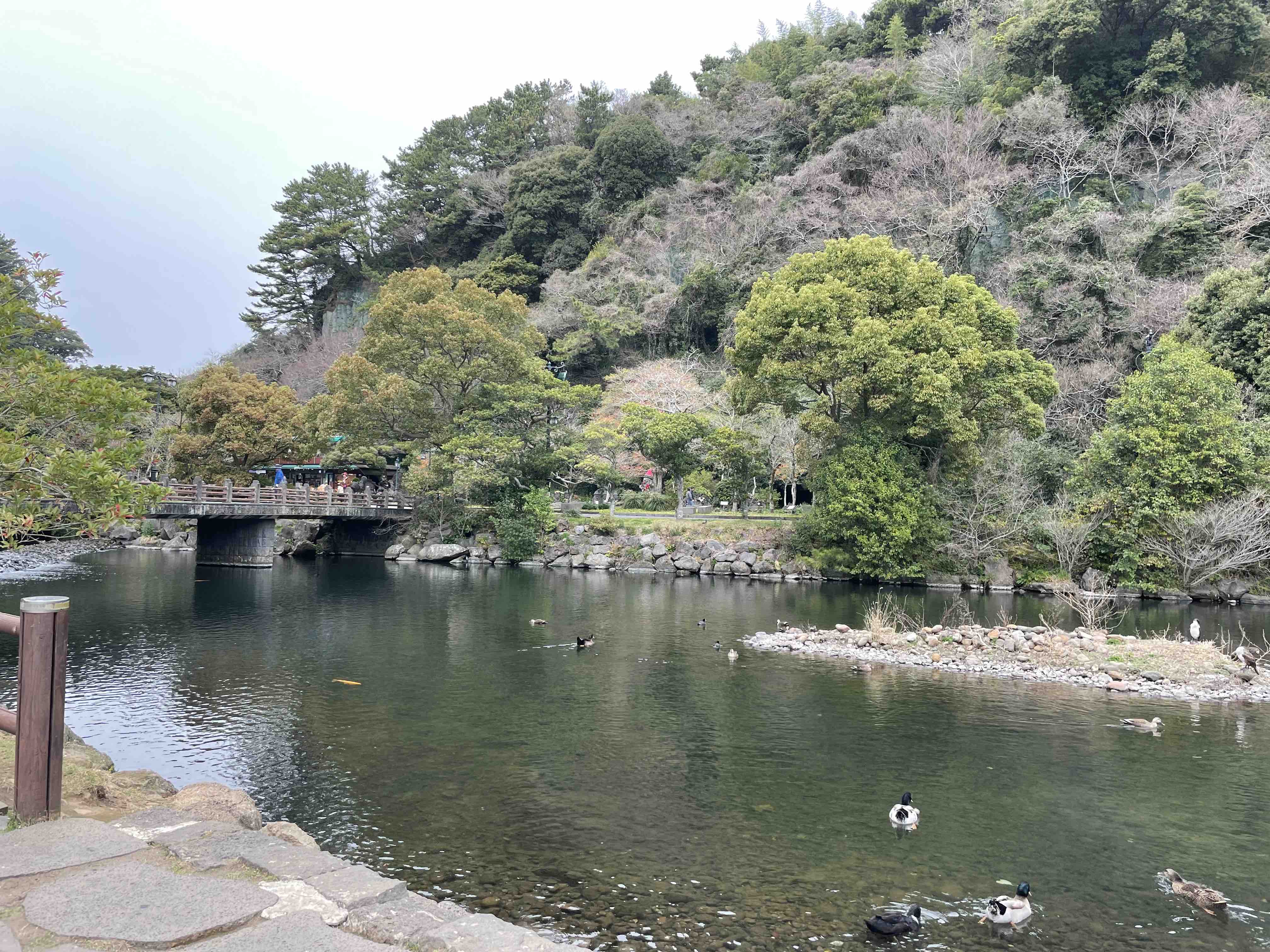
<p>@ Cheonjiyeon Waterfall (천지연폭포) on Jeju Island:
<img src="/assets/images/waterfall.jpg" alt="Welcome to CITW" /></p>

<p>@ Daewangam Park (대왕암) in Ulsan:
<img src="/assets/images/ulsan.jpg" alt="Welcome to CITW" /></p>]]></content><author><name>Junho Park</name></author><category term="travel" /><summary type="html"><![CDATA[I recently returned home after a memorable 3-week trip to Korea with my parents and my youngest child. This was my 7th trip back to Korea after immigrating to the US in 1991 and there’s no doubt I’ll be returning to Korea within the next few years for yet another visit. Here’s a list of reminders to myself for the next time I decide to return to Korea (and I hope this list is helpful for those of you who are planning on visiting Korea):]]></summary></entry><entry><title type="html">My job search recap</title><link href="http://junhopark.com/2023/03/02/my-job-search-recap.html" rel="alternate" type="text/html" title="My job search recap" /><published>2023-03-02T00:00:00-06:00</published><updated>2023-03-02T00:00:00-06:00</updated><id>http://junhopark.com/2023/03/02/my-job-search-recap</id><content type="html" xml:base="http://junhopark.com/2023/03/02/my-job-search-recap.html"><![CDATA[<p>After 4 weeks of very aggressive job searching, I was able to wrap up my job search late last week and I decided on an offer yesterday. Hooray! This is the first time in my career that I’ve been able to devote so much time to job searching and while it was extremely draining, it was also a great learning experience. First, some stats:</p>

<ul>
  <li>I either submitted an application (~85%) or had someone from the company proactively reach out to me (~15%) with <strong>76</strong> companies.
    <ul>
      <li>I had interviews with <strong>22</strong> companies (spoke with <strong>66</strong> individuals).
        <ul>
          <li>Of the 22 companies I interviewed with, only <strong>TWO</strong> were where I submitted an application without a referral and it led to a phone/video conversation.</li>
          <li>I went beyond the initial recruiter phone screen with <strong>15</strong> companies.</li>
          <li>I had final interviews with <strong>5</strong> companies.
            <ul>
              <li>I received offers from <strong>3</strong> companies, all within 1 week. The offers came in <strong>4</strong> calendar days on average after the final interview. It took <strong>17</strong> calendar days on average between my first conversation with someone from the company until I received the offer.</li>
            </ul>
          </li>
        </ul>
      </li>
      <li>Of the 57 companies I never got to interview with, I got a rejection email from <strong>20</strong> companies. The rejection email was sent to me <strong>8.25</strong> calendar days on average from the time I submitted my application. The shortest was 1 minute (impressive!). The longest was 21 calendar days (not impressive).</li>
    </ul>
  </li>
</ul>

<p>Lessons learned:</p>
<ul>
  <li><strong>Referrals:</strong> Referrals are the way to go when it comes to applying for jobs. 64% of the companies I applied to with a referral led to at least 1 conversation with someone from the company.</li>
  <li><strong>Prepare!:</strong> Interview prep makes a big difference. I did terrible on my first system design interview. I learned my lesson and then did a fair amount of reading and watching relevant YouTube videos. The subsequent system design interview sessions went WAY better. I also had some earlier-than-expected rejections after non-technical interview sessions that I felt went pretty well actually. Eventually, though, I was able to sharpen my responses and the rate of early rejections went down to 0.</li>
  <li><strong>Referrals, again:</strong> <em>Just</em> submitting an application without doing anything else is not a good use of time… but at the same time, I would not say it’s a complete waste of time either. Of the companies I applied to without a referral:
    <ul>
      <li>1 reached back out to me for a phone screen. I passed the phone screen &gt; passed their LeetCode-style coding test. By then, though, I already had an offer so I told them I decline to go further in the interview process.</li>
      <li>I had a recruiter phone screen with another company but did not hear back from the company afterwards.</li>
      <li>1 company reached out to me over email and we scheduled an initial phone screen. A day before the phone screen, however, they told me they wanted to move in a different direction.</li>
      <li>1 company reached out to me over email and asked me to write up a lengthy essay that talks about all of my biggest accomplishment. I really did not want to… and thankfully by then, I had an offer and told them I would like to no longer move forward.</li>
    </ul>
  </li>
</ul>

<p>Overall - I’m thankful. While it was <em>really</em> exhausting, I got to talk to a lot of companies and make a lot of new connections along the way. I’m really thankful for my amazing network of friends, family, and former colleagues. I’m looking forward to traveling for a few weeks before starting my new job on 3/31!</p>]]></content><author><name>Junho Park</name></author><category term="interviewing &amp; hiring" /><summary type="html"><![CDATA[After 4 weeks of very aggressive job searching, I was able to wrap up my job search late last week and I decided on an offer yesterday. Hooray! This is the first time in my career that I’ve been able to devote so much time to job searching and while it was extremely draining, it was also a great learning experience. First, some stats:]]></summary></entry><entry><title type="html">Running Effective and Efficient Meetings</title><link href="http://junhopark.com/2021/04/09/running-effective-and-efficient-meetings.html" rel="alternate" type="text/html" title="Running Effective and Efficient Meetings" /><published>2021-04-09T00:00:00-05:00</published><updated>2021-04-09T00:00:00-05:00</updated><id>http://junhopark.com/2021/04/09/running-effective-and-efficient-meetings</id><content type="html" xml:base="http://junhopark.com/2021/04/09/running-effective-and-efficient-meetings.html"><![CDATA[<p>I spend a lot of time at work in meetings. I regularly think about having effective and efficient meetings and here’s a list of things that I think are important when it comes to doing meetings well.</p>

<ul>
  <li><strong>Keep meetings as short as possible:</strong> I think the vast majority of meetings can be had in 30 minutes. Some in 15 minutes. Anything over 30 minutes should be an exception. In my experience <a href="https://en.wikipedia.org/wiki/Parkinson%27s_law">Parkinson’s Law</a> very much applies to meetings. Starting meetings on time &amp; getting right down to business help with keeping meetings short. If you’re in a recurring meeting and there’s regularly time left over during meetings, make the future meeting occurrences shorter.</li>
  <li><strong>Keep # of attendees as small as possible:</strong> “Who absolutely needs to be at the meeting?” is a good question to ask before sending out the meeting invite. As a rule of thumb more people = slower &amp; more inefficient meetings.</li>
  <li><strong>Do not start meetings from a blank slate:</strong> Make sure there’s an agenda for the meeting. If the purpose of the meeting is to discuss a particular topic - it’s always best for there to be some document that the meeting attendees review <em>prior to</em> attending the meeting. As the meeting owner - hold people accountable to actually reviewing the document before the meeting takes place.</li>
  <li><strong>Take notes. Share them out:</strong> Meetings are mostly a waste of time if nothing got written down and meeting notes didn’t get shared out. The vast majority of people do not have anything close to resembling a photographic memory, which is why writing things down is so important. It’s terribly inefficient and frustrating to have to re-visit &amp; question something that was already discussed and settled on simply because things didn’t get written down. As I wrote about in <a href="https://junhopark.com/2021/01/24/note-taking-and-documentation-for-engineering-manager.html">this blog post</a> I would encourage people to not only share their notes but to post their notes on a company-public wiki.</li>
  <li><strong>Hold people accountable to action items from meetings:</strong> Doing this is made much easier if the bullet point right above this gets done.</li>
  <li><strong>Avoid scheduling last minute meetings:</strong> I consider meetings that get scheduled during the same week as being “last minute”. Sometimes this is unavoidable but I like to avoid scheduling last minute meetings as much as possible. When people start work on Monday they should have a good idea of what their schedule for the rest of the week looks like.</li>
</ul>]]></content><author><name>Junho Park</name></author><category term="management" /><category term="meetings" /><summary type="html"><![CDATA[I spend a lot of time at work in meetings. I regularly think about having effective and efficient meetings and here’s a list of things that I think are important when it comes to doing meetings well.]]></summary></entry><entry><title type="html">Let’s Get Rid Of Performance Rating Scales</title><link href="http://junhopark.com/2021/03/11/lets-get-rid-of-performance-rating-scales.html" rel="alternate" type="text/html" title="Let’s Get Rid Of Performance Rating Scales" /><published>2021-03-11T00:00:00-06:00</published><updated>2021-03-11T00:00:00-06:00</updated><id>http://junhopark.com/2021/03/11/lets-get-rid-of-performance-rating-scales</id><content type="html" xml:base="http://junhopark.com/2021/03/11/lets-get-rid-of-performance-rating-scales.html"><![CDATA[<p>Several weeks ago I wrapped up conducting employee performance reviews for the 2020 calendar year and it’s the first time that I can remember in my career where there was no rating associated with a formal employee review cycle. While at Venmo/PayPal a 3-tier rating system is what we have in place, an exception was made for the 2020 review year to forego ratings due to reasons related to the COVID-19 pandemic.</p>

<p>Just a single performance review cycle with no ratings has convinced me that ratings are detrimental to good performance review conversations and that ultimately they do more harm than good. I had accepted employee ratings as the norm but I now find myself questioning this norm. Here are my reasons why I would love to see performance rating scales a thing of the past–at least in the software industry.</p>

<h2 id="demoralizing-for-the-vast-majority-of-employees-who-are-still-doing-good-work">Demoralizing for the vast majority of employees who are still doing good work</h2>
<p>Based on my experience the vast majority of employees tend not to receive the top rating. Many of these folks tend to be excellent employees but don’t earn the top rating for a variety of reasons, often because there’s often official/unofficial quota of how many people can fall into the top rating bucket. It can be rather demoralizing for employees when they know they’ve done great work, are liked by their colleagues, receive consistent feedback that they’re doing good work <em>and yet</em> in the end they end up with a mere “Average” or “Above Average” rating. For most people this is deflating, demotivating, and even demoralizing.</p>

<h2 id="employees-and-their-reviews-get-reduced-to-their-rating">Employees (and their reviews) get reduced to their rating</h2>
<p>Just about every time I’ve been on the giving end of a performance review there are 2 things that appear to take up the vast majority of the employee’s attention: 1) Anything that deals with money (merit increase and/or bonus) 2) Rating. Let me focus on the latter for the purposes of this blog post. I would argue that most employees place a lot of weight on the rating they receive and that they basically equate it with a letter grade they would’ve received if they were in school. Throughout my career I’ve heard several employers say something along the lines of “Please don’t perceive your rating as your letter grade - they’re not the same!” and I’ve come to the conclusion that this is virtually impossible. Employees perceive their rating as a top-level summary of the entirety of their review. Telling my employee “You’re doing great!” carries little weight when “Average” or “Above Average” is the rating that I’ve given them. When I’m on the giving end of a performance review it is awkward for me to tell the employee the wonderful things they’re doing when their rating is “Average”. Their rating ends up being the lens through which they receive and perceive their review and in most cases this ends up having a negative impact on the quality of the review conversation.</p>

<p>I’d like to now touch on the topic of employees getting reduced their rating. An example of this sort of thing happening is when managers talk amongst themselves and label their employees as “Exceeding expectations” or “Average” based upon their most recent rating. I’ve been there, done that. Now that my eyes have been opened to the world of no ratings I find myself bothered by reducing employees in this manner. I believe the mere existence of rating scale encourages and promotes managers to label and reduce employees to their most recent set of ratings. This is harmful to employees and ultimately to employers.</p>

<h2 id="ratings-are-highly-subjective">Ratings are highly subjective</h2>
<p>I’ve been working in the software industry for over 20 years and I haven’t found a satisfactory way of objectively quantifying the work output of software engineers. I have not seen anyone do this well. While there <em>are</em> what I would call “mini measurements” that give you glimpses into employees’ work output (eg, # of Jira tickets that got done, # of bugs opened against their code, etc.) they are just glimpses. I’ve tried to come up with a satisfactory formula for how to objectively measure software engineers’ work output and… I’ve given up. This is a hard problem to solve and I am personally convinced at this point in my career that this is an <em>impossible</em> problem to solve.</p>

<p>Writing this blog post has caused me to think deeply about why I dislike rating scales so much and perhaps the biggest reason is because of what I’ve said in the above paragraph. There are no good objective ways to quantifiably measure software engineers’ work output, which results in ratings being highly subjective. While I would love to be able to come to a data-driven conclusion at deciding something as important &amp; weighty as whether to give my employee a “Meets Expectations” or “Above Expectations” I don’t trust myself to do this well nor do I trust others to do this well either.</p>

<p>In conclusion - let’s get rid of performance rating scales because they’re highly subjective and they do more harm than good.</p>]]></content><author><name>Junho Park</name></author><category term="management" /><summary type="html"><![CDATA[Several weeks ago I wrapped up conducting employee performance reviews for the 2020 calendar year and it’s the first time that I can remember in my career where there was no rating associated with a formal employee review cycle. While at Venmo/PayPal a 3-tier rating system is what we have in place, an exception was made for the 2020 review year to forego ratings due to reasons related to the COVID-19 pandemic.]]></summary></entry><entry><title type="html">My Role As “Clarity Provider”</title><link href="http://junhopark.com/2021/03/02/my-role-as-clarity-provider.html" rel="alternate" type="text/html" title="My Role As “Clarity Provider”" /><published>2021-03-02T00:00:00-06:00</published><updated>2021-03-02T00:00:00-06:00</updated><id>http://junhopark.com/2021/03/02/my-role-as-clarity-provider</id><content type="html" xml:base="http://junhopark.com/2021/03/02/my-role-as-clarity-provider.html"><![CDATA[<p>Over the last several months I’ve become increasingly convinced that one of my most important responsibilities as an engineering manager is to provide clarity for folks on my team. In my experience I’ve found that people work best when they have clarity. When clarity is lacking, it often results in frustratation. People tend to produce higher quality work, get their work done more efficiently, and are more engaged in their work when they have clarity. Clarity enables people to maximize their working hours. Clarity reduces unnecessary mental load that employees tend to carry too much of in my opinion.</p>

<p>Listed below are things that I do to try to provide clarity for my team.</p>

<h2 id="documentation">Documentation</h2>
<p>As I wrote in <a href="https://junhopark.com/2021/01/24/note-taking-and-documentation-for-engineering-manager.html">this blog post</a> I’m big on documentation. I’ve found that documentation is one of the most effective tools at providing clarity for people on the team. It’s often not enough to just speak to/with people. And - it’s also often not enough to just share written words. What I’ve found to be the most effective at providing clarity is to overcommunicate by both <em>speaking</em> AND sharing what’s been <em>documented</em>. What I’ll often do with my team is to speak on something and then shortly thereafter follow it up with documentation where I invite people to take a look and come to me with any questions or comments they might have (I also do a lot of sharing what’s been documented first and then follow it up with speaking to it).</p>

<h2 id="jira-tickets">Jira tickets</h2>
<p>Like many engineering teams, my team relies on Jira as the source of truth for information on whatever tasks they need to carry out. What my own experience tells me is that it is very typical for Jira issues to not contain enough information for engineers to carry out their tasks in an effective &amp; efficient manner. There are often large gaping holes in Jira tickets. A big challenge, though, is that creating &amp; maintaining high quality Jira tickets often takes a significant chunk of time and in my opinion it often doesn’t get prioritized high enough. My job as an engineering manager is to make sure there’s enough clarity in each Jira ticket. Having said this I think people on my team would be the first to tell you that I’m far from being always successful here. It’s something that I find myself regularly trying to focus on.</p>

<h2 id="share-context">Share context</h2>
<p>As an engineering manager I’m often involved in meetings and conversations that the vast majority of people on my team often don’t participate in. Whenever there is information that I gain during these conversations that I think will provide additional clarity to folks on my team I will almost always take notes, post it on my “notes” wiki page (which I wrote about in <a href="https://junhopark.com/2021/01/24/note-taking-and-documentation-for-engineering-manager.html">this blog post</a>), and say a few things about it to my team during my recurring meeting with the team. I’ve found that my team always appreciates it when I proactively share information in this manner and I think it enables the team to work better. Being that I work for a large corporation with tens of thousands of employees (Venmo/PayPal) I am in a lot of meetings with a lot of folks and I frequently gain additional information and context during these meetings that are important for folks on my team to be aware of as well.</p>

<h2 id="get-on-the-same-page">Get on the same page</h2>
<p>Over the last several months I’ve become obsessed with making sure that everyone who’s involved in whatever projects/tasks need to get done are <em>on the same page</em>. I’ve become increasingly aware of the fact that it is far too common for people to not be on the same page. It often takes someone taking less than a minute to reiterate the important stuff/action items/next steps AND asking the question “Are we all on the same page?” to surface discrepancies in people’s understanding of what’s being discussed. It is always better &amp; more efficient to get on the same page while the relevant conversation is taking place instead of waiting until sometime <em>after</em> the conversation has concluded. And - the longer you wait, the more expensive it usually becomes to resolve the mess that was created because not everyone was on the same page initially.</p>

<h2 id="make-it-a-safe-place-for-people-to-seek-clarity">Make it a safe place for people to seek clarity</h2>
<p>I try to make my team a safe place for people to seek clarity. I am impatient by nature and I’m usually in a hurry to get things to a done state as quickly as possible at work. As much as I know it can often be counterproductive in the long run to rush on things, it makes my job easier (at least in the moment) when people come to agreements quickly &amp; easily without any sort of pushbacks. This is why when I’m in the middle of a discussion with my team and someone is seeking clarity by asking questions, I frequently have to stop myself from being dismissive of the individual’s questions. I have to remind myself that clarity often results in higher quality of work for the team and that if I were in the person’s shoes I likely would’ve asked the same questions myself.</p>

<p>I consistently encourage clarity-seeking as well as clarity-providing behavior on my team by praising and thanking people when they do things like asking good questions that lead to further clarity and providing notes &amp; documentation for the team.</p>]]></content><author><name>Junho Park</name></author><category term="management" /><summary type="html"><![CDATA[Over the last several months I’ve become increasingly convinced that one of my most important responsibilities as an engineering manager is to provide clarity for folks on my team. In my experience I’ve found that people work best when they have clarity. When clarity is lacking, it often results in frustratation. People tend to produce higher quality work, get their work done more efficiently, and are more engaged in their work when they have clarity. Clarity enables people to maximize their working hours. Clarity reduces unnecessary mental load that employees tend to carry too much of in my opinion.]]></summary></entry><entry><title type="html">My Fitness And Health Routine</title><link href="http://junhopark.com/2021/02/04/my-fitness-and-health-routine.html" rel="alternate" type="text/html" title="My Fitness And Health Routine" /><published>2021-02-04T00:00:00-06:00</published><updated>2021-02-04T00:00:00-06:00</updated><id>http://junhopark.com/2021/02/04/my-fitness-and-health-routine</id><content type="html" xml:base="http://junhopark.com/2021/02/04/my-fitness-and-health-routine.html"><![CDATA[<p>Something that is personally very important to me is that I stay fit and healthy for as long as possible in life. While I wouldn’t label myself a “fitness nut” or perhaps even a “fitness enthusiast” I’ve been happy overall with my attempts at staying decently fit for someone with a decently busy schedule of managing a career and a family with 2 young children. Lately I’ve been reading a book titled <a href="https://www.amazon.com/30-Lessons-Living-Advice-Americans/dp/0452298482">30 Lessons for Living: Tried and True Advice from the wisest Americans</a>, which is a book that’s largely made up of bits and pieces of interviews with older Americans (mostly people in their 70s and beyond; many of the interviewees are in their 90s). This book has reminded me that it’s not really death that people should be concerned with but rather it’s diseases–especially chronic diseases and <em>especially</em> diseases that are largely preventable (say, heart disease or diabetes) that we should be concerned with. I agree. One of the chapters in the book is “Act Now like You Will Need Your Body for a Hundred Years” and even just that chapter title really hit home for me. Not only do I want to live for a long time (reaching 100 is my goal &amp; I believe I’ll get there) but I want to be healthy and active for as long as possible so that I can be be <em>fully</em> present for my family.</p>

<p>Anyhow, here’s a list of what I do (and most of these are things I’ve now been doing for at least a couple of years) to stay in decent shape. And by <em>decent shape</em> what I mean is:</p>
<ul>
  <li>I am by no means super fit. No 6 pack abs. I can’t dunk a basketball. I can’t run a 5-minute mile. You get the point.</li>
  <li>I am content with my overall health &amp; fitness considering my age and the stage of my life I’m in. Other than my cholesterol being slightly on the higher side, all my other numbers have looked good year after year.</li>
  <li>I’ve been able to maintain my high school weight, which is kind of a silly goal that I have for myself, for life. I never want to exceed my high school weight into my 40s and beyond.</li>
</ul>

<p>My routine, which doesn’t take up too much time is pretty simple.</p>

<h2 id="mix-of-weight-training--cardio">Mix of weight training &amp; cardio</h2>

<p>During the course of an average week I work out 3 - 5 times, roughly 30-45 minutes at a time. I have 3 types of workout that I do and switch off consistently, which are: Lower body weight training, upper body weight training, and cardio. Due to the pandemic I have not been to the gym in nearly a year and while I initially had concerns about not being able to hit the gym, this has turned out to not be an issue for me at all. My weight training workout setup is pretty simple, which is as follows:</p>
<ul>
  <li>An adjustable workout bench (something that can be flat as well as go on an incline)</li>
  <li>A set of dumbbells. I have a set of <a href="https://www.ironmaster.com/">Ironmaster</a> adjustable dumbbells, which I really like and I’m pretty certain will last decades as they’re built super well.</li>
  <li>Resistance bands</li>
</ul>

<p>For weight training exercise ideas I’ve often referred to the book <a href="https://www.amazon.com/New-Rules-Lifting-Maximum-Muscle/dp/158333338X">The New Rules of Lifting</a>. Having said that there are countless helpful weight training tips on the Internet.</p>

<p>For cardio I usually do one of the following:</p>
<ul>
  <li><strong>Running:</strong> When the weather is at least semi-decent, I run outside (I <em>hate</em> running on a treadmill). While I don’t particularly enjoy running I do love how I feel after I finish a run. I usually run about 3 miles at a time.</li>
  <li><strong>Biking:</strong> Since about a year ago I’ve really been enjoying bike riding. I was riding a hybrid bike for awhile and then last year I decided to pick up a used road bike from a co-worker for $200. This has been perhaps my favorite purchase in all of 2020. I put on a pair of clipless pedals and have been spending a lot of time on this bike. When the weather started getting cold I decided that I would splurge on a nice bike trainer so I picked up a <a href="https://www.wahoofitness.com/devices/bike-trainers/kickr-core-indoor-smart-trainer">Wahoo KICKR Core</a>, signed up for <a href="https://www.zwift.com/">Zwift</a>, and I’ve been loving it. I usually ride for about 30 minutes at a time.</li>
</ul>

<h2 id="measuring--tracking-progress">Measuring &amp; Tracking Progress</h2>
<p>Many years ago when I started working out regularly I got into a habit of tracking my progress and I think this has helped me immensely with staying consistent for 15+ years now. Anytime I’m lifting weights I record how many sets, reps, and how much weight I am lifting. My cardio exercises are measured and tracked pretty much automatically for me thanks to technology (I mostly rely on Fitbit, Zwift, and Strava).</p>

<p>The other thing I do is that I regularly weigh myself–a few times a month on average. I have a Fitbit Aria scale that measures my weight &amp; body fat and although I’m not totally confident that its body fat measures are always accurate, I’ve felt that it’s probably accurate enough for my needs.</p>

<h2 id="eating">Eating</h2>
<p>Eating healthy has always been a struggle for me (like it is for so many people). There is one thing I’ve been doing for the last couple of years that’s been helpful for me, though, which is to limit how much meat I am consuming. I have a daily goal of having a meat-free lunch and/or dinner every day and what this has done for me is to get me into a habit of eating salad for lunch nearly every day. I’d like to think that this habit has had a meaningful impact on my overall health and fitness. 1 meat-free meal a day has been just-challenging-enough-but-not-too-hard for me to accomplish on most days which is another reason why I’ve been able to stick with this for a couple of years now and I intend on continuing for the foreeseable future.</p>]]></content><author><name>Junho Park</name></author><category term="fitness" /><summary type="html"><![CDATA[Something that is personally very important to me is that I stay fit and healthy for as long as possible in life. While I wouldn’t label myself a “fitness nut” or perhaps even a “fitness enthusiast” I’ve been happy overall with my attempts at staying decently fit for someone with a decently busy schedule of managing a career and a family with 2 young children. Lately I’ve been reading a book titled 30 Lessons for Living: Tried and True Advice from the wisest Americans, which is a book that’s largely made up of bits and pieces of interviews with older Americans (mostly people in their 70s and beyond; many of the interviewees are in their 90s). This book has reminded me that it’s not really death that people should be concerned with but rather it’s diseases–especially chronic diseases and especially diseases that are largely preventable (say, heart disease or diabetes) that we should be concerned with. I agree. One of the chapters in the book is “Act Now like You Will Need Your Body for a Hundred Years” and even just that chapter title really hit home for me. Not only do I want to live for a long time (reaching 100 is my goal &amp; I believe I’ll get there) but I want to be healthy and active for as long as possible so that I can be be fully present for my family.]]></summary></entry><entry><title type="html">My System For Staying Organized At Work</title><link href="http://junhopark.com/2021/01/29/my-system-for-staying-organized-at-work.html" rel="alternate" type="text/html" title="My System For Staying Organized At Work" /><published>2021-01-29T00:00:00-06:00</published><updated>2021-01-29T00:00:00-06:00</updated><id>http://junhopark.com/2021/01/29/my-system-for-staying-organized-at-work</id><content type="html" xml:base="http://junhopark.com/2021/01/29/my-system-for-staying-organized-at-work.html"><![CDATA[<p>Being organized is a skill I personally value and at least for me - it’s a no-brainer that being organized can help everyone do their jobs better. It was important for me to stay organized when I was an IC (individual contributor) engineer and I’ve found that it’s even more important as an engineering manager. I wanted to write down how I (try to) stay organized at work.</p>

<h2 id="trello">Trello</h2>
<p>I use <a href="https://trello.com/">Trello</a> as my todo list for anything work-related. I have a single board set up in Trello that acts as my todo list and while there are several different columns in there (<code class="language-plaintext highlighter-rouge">TODO</code>; <code class="language-plaintext highlighter-rouge">Lower priority TODOs</code>; <code class="language-plaintext highlighter-rouge">To Read/Watch/Learn</code>; and a few others) 99% of the time the only column I look at is the first column, which is my <code class="language-plaintext highlighter-rouge">TODO</code> column. I’m a big believer in simplicity and at this point in time I’m convinced that a single column TODO list is the way to go for most people. The column is more or less sorted in a priority order and so anytime I add something to this column, I add it in the right priority order spot. FYI, at the moment I have 23 things in this column, which is a bit too many for me but not terrible. On good days I’ll have maybe &lt;= 10 things in this column but on most days I have a couple dozen things in this column. Anytime I finish a task in the column, I archive the card so that I don’t have to look at it again. When I notice/feel that my column is growing too long, I book an hour or two on my calendar to knock out things in the list.</p>

<p>I have my todo Trello board showing up on my screen nearly 100% of the time (FYI I extend my laptop’s display onto my iPad using Apple’s Sidecar and on my iPad is where I always have my Trello board up). I’ve found that if the todo list is not always in my face, it’s too easy for me to ignore what’s in the list.</p>

<h2 id="email-outlook">Email (Outlook)</h2>
<p>Back when we were all on Gmail at work (which I still really miss) I used to have a slightly more complicated system for managing my emails–primarily because the auto-filtering &amp; labeling feature in Gmail works really well. We’re now on Outlook and my opinion (which I’m sure is shared by many people) is that Outlook is clunky and periodically likes to get in the way of productivity. This is where simplicity is yet again important for me. In Outlook I have a folder named <code class="language-plaintext highlighter-rouge">Misc</code> and pretty much every one of my emails that I decide to keep goes into this folder. I’ve found that the search functionality in Outlook works well enough that I can rely on it to retrieve emails I’m looking for and so I’ve had zero desire (nor need) to break my emails out into multiple folders. Over the years as more and more asynchronous communication has shifted from emails to Slack I’m finding that I’m spending a lot less time searching for old email messages and rather I’m doing a lot more searching through messages in Slack.</p>

<p>At the moment I have 31 emails in my inbox, which isn’t too bad for me. On good days I have <em>zero</em> emails in my inbox and even on bad days I probably have less than 50 emails in my inbox. As soon as I look at an email that’s sitting in my inbox - I will either A) delete it B) move it to my <code class="language-plaintext highlighter-rouge">Misc</code> folder if I want to save the email C) Reply to the email (and then move it to <code class="language-plaintext highlighter-rouge">Misc</code>) if it’s going to take me a less than a minute to respond or D) keep it in there if it’s going to take a bigger chunk of my time to reply/think about it.</p>

<h2 id="slack">Slack</h2>
<p>I spend a ton of time in Slack while working and it’s not infrequent that I will get inundated with messages. Here are a few things I do to stay organized in Slack and not let it overwhelm me.</p>

<ul>
  <li>
    <p>Mark unread: The <code class="language-plaintext highlighter-rouge">Mark unread</code> feature is one of my favorite features in Slack and I was so happy when I was able to do this with threads as well. Whenever I’m reading through messages but don’t have time to catch myself up on all unread messages in a given channel or threads, I mark messages as unread so that when I have time to come back to it later on I know where to start reading from.</p>
  </li>
  <li>
    <p>Reduce rapid back &amp; forths: As much as I dislike doing this I’m often needing to jump from one thing to another while working. It’s not infrequent that while I’m typing up a message in Slack I need to jump onto something else right away. Something that I’ve found helpful is to change the setting in Slack so that when the enter/return key is pressed on the keyboard it adds a new line instead of sending a message (<code class="language-plaintext highlighter-rouge">Preferences</code> &gt; <code class="language-plaintext highlighter-rouge">Advanced</code> &gt; Under <code class="language-plaintext highlighter-rouge">When writing a message, press Enter to...</code> select <code class="language-plaintext highlighter-rouge">Start a new line</code>). This makes it just a little bit easier to compose one intelligent message that captures all of what I want to communicate and reduces rapid back &amp; forth pinging in Slack which I tend not to like.</p>
  </li>
  <li>
    <p>Mute channels: A bunch of (low priority) Slack channels I’m in are muted and inside of a folder that is almost always collapsed - which means that these channels are almost always out of my sight (and my mind). This has been helpful for me in reducing unwanted noise and staying organized in Slack. I suppose I could leave some of these channels but I find that because I still interact with these channels from time to time, I find it easier to just stay in these channels rather than joining/leaving these channels repeatedly.</p>
  </li>
</ul>

<h2 id="apple-notes-app">Apple Notes app</h2>
<p>I keep all of my private notes in the Apple Notes app. While it’s certainly not the most feature-rich notes tool out there I like that it’s simple, reliable, and provides me with just enough capability to keep things organized into different folders. On average, 90% of my time inside Notes is spent in a single note that’s titled <code class="language-plaintext highlighter-rouge">General Notes</code> where in the very top of the notes, it has a bullet point list of things I want to share/announce during an upcoming daily standup with my team - and down below contains a long list of notes I take and keep for myself.</p>

<h2 id="atom--piece-of-paper">Atom &amp; Piece of paper</h2>
<p>Any notes I (think I might) want to keep basically forever - I enter them into Apple Notes. And then there’s another category of notes that I know I’m not going to want/need to keep around beyond just the moment. These often tend to be things I write down for myself to help me think better. These sorts of notes are usually entered into a text editor (I use <a href="https://atom.io/">Atom</a>) or a piece of paper, which I always have on my desk.</p>]]></content><author><name>Junho Park</name></author><category term="being organized" /><summary type="html"><![CDATA[Being organized is a skill I personally value and at least for me - it’s a no-brainer that being organized can help everyone do their jobs better. It was important for me to stay organized when I was an IC (individual contributor) engineer and I’ve found that it’s even more important as an engineering manager. I wanted to write down how I (try to) stay organized at work.]]></summary></entry><entry><title type="html">Note-taking and Documentation for Engineering Managers</title><link href="http://junhopark.com/2021/01/24/note-taking-and-documentation-for-engineering-manager.html" rel="alternate" type="text/html" title="Note-taking and Documentation for Engineering Managers" /><published>2021-01-24T00:00:00-06:00</published><updated>2021-01-24T00:00:00-06:00</updated><id>http://junhopark.com/2021/01/24/note-taking-and-documentation-for-engineering-manager</id><content type="html" xml:base="http://junhopark.com/2021/01/24/note-taking-and-documentation-for-engineering-manager.html"><![CDATA[<p>During my time at Venmo as an engineering manager (since October of 2019) there are some note-taking / documentation things that I started doing that I hadn’t done before in my previous engineering manager gigs. In looking back I’m glad I started doing these things and would highly encourage others to consider doing them for your team as well. These are simple practices that don’t take up a lot of time and the hardest part of all this, really, is to just <em>remember</em> to do them.</p>

<h2 id="put-1-on-1-notes-in-shared-documents">Put 1-on-1 notes in shared documents</h2>
<p>Since starting at Venmo I’ve been entering in notes from my 1-on-1 meetings in shared documents (shared between just by myself and the other person). While I don’t capture every little detail that’s discussed during my meetings, I do capture all the important gist of what’s discussed and most importantly - I capture any action items for myself and the other person. I also make sure to document any follow-ups I promise to the other person (eg, getting an answer on a question I need to ask around and/or dig into).</p>

<p>With each person I do 1-on-1s with, I encourage them to add to the shared document things they want to bring up at the next 1-on-1. While not everyone who I conduct 1-on-1s with do this, I’ve found that with those who consistently do this, we tend to have richer conversations because it sort of forces them to think about what it is that they want to talk to me about prior to sitting down with me. To be clear - it’s important to me that people feel comfortable reaching out to me at any point during the workday whenever they have pressing things they want to talk to me about and that they don’t feel forced to have to wait until the next 1-on-1 with me.</p>

<p>I would say that the major benefits of putting 1-on-1 notes in shared documents is that it provides transparency &amp; builds trust. When I think back on 1-on-1s I’ve had with my own managers, I wasn’t too fond of 1-on-1s where note-taking did not take place because my experience has been that when things aren’t written down, they are very frequently forgotten. However, I also know that when I’m in 1-on-1s and the other person is taking notes, I wonder what the other person is writing down (<em>especially</em> if the other person is my manager) and there’s a small part of me that gets a bit nervous about what the other person is writing down. By having notes in a shared document I think it 1) allows the other person to have increased confidence that whatever important things are being discussed won’t simply be forgotten soon after the meeting is over and 2) provides transparency on what is actually being written down.</p>

<h2 id="enter-most-meeting-notes-into-a-wiki">Enter (most) meeting notes into a wiki</h2>
<p>Soon after starting at Venmo I decided that whenever I capture notes from various meetings I’m in, it might be beneficial for me and my team if I were to store my meeting (outside of my 1-on-1s) notes in a central place that serves as a notes repository for myself and the team. I decided to create a new page in Confluence (the wiki tool that we use) for the sole purpose of capturing notes. Whenever I was in meetings where I felt that there’s information that’s being discussed that people who aren’t present in these meetings might want to know - I decided to add the notes in the wiki page. And whenever I add notes into Confluence I take an extra minute to copy and paste the notes into my team’s (public) Slack channel. These are practices that I encourage folks on my team to do as well and it genuinely makes me happy whenever people on my team do this–especially when the notes pertain to meetings that I wanted to be at but couldn’t because of schedule conflicts on my end or because I was out of office.</p>

<p>I know a lot of people email notes that are captured and this is certainly way better than not sharing notes at all. However, I think putting all notes into a single place makes it much easier for people to go back and search through notes. When I initially began doing this I was worried that there would be way too much content on a single wiki page and that it would be too difficult to find what you’re looking for once there’s significant amount of notes have been accumulated. This, however, hasn’t been an issue for me in the the last ~1.5 years that I’ve been doing this. Each note entry on the wiki page has a title &amp; a date stamp and this has been enough in keeping the page organized.</p>

<p>Keep in mind - I obviously don’t do this for <em>every single</em> meeting I’m in as there are certainly meetings I’m in where whatever is being discussed is probably not information that should be publicly shared with others on my team/in the company.</p>

<h2 id="other-beneficial-documentations">Other beneficial documentations</h2>
<p>There are a few different kinds of documentation that I proactively try to provide for my team and they tend to fall into one of the following buckets:</p>

<ul>
  <li>
    <p><strong>Process documentation</strong>: I’m convinced that everyone could do their job a little bit better, easier, and faster when they have clarity on certain processes that they should be following. This is most definitely true for new/newer employees but I’ve found this to be true for veteran employees as well. On the team that I manage for instance, we have a process around general steps that each developer should follow as they write and eventually merge their code. It’s a process that we established early on when our team was formed a year and a half ago but over time the process has been evolving. Not only was it my responsibility to create the initial “software development process” document but it’s also been my responsibility to keep this process documentation up to date to keep up with the evolving process.</p>
  </li>
  <li>
    <p><strong>“How to” documentation</strong>: Whenever I come across a way to do something that isn’t written down and could potentially benefit others if they knew how to do this, I’ve made it a point to take some time to write it down in Confluence and share this information with others on my team and whoever else may benefit from this information. The most recent such documentation I wrote up was a workaround around being able to share audio during presentations over Microsoft Teams (really silly IMO that there isn’t a good way to do this on macOS Teams client yet). When I discovered this workaround I knew that I could not possibly be the only person in the company who is wanting to be able to share audio during presentations so I took 15 minutes to write something up &amp; shared it various folks. I’d like think this was 15 minutes very well-spent.</p>
  </li>
</ul>

<h2 id="in-closing">In closing…</h2>
<p>During my 6+ years of being in engineering management, I’ve become increasingly obsessed with helping folks I manage be able to do their jobs better, easier, and faster. I’ve learned that writing stuff down AND sharing with them (because undiscovered documentation is pretty much useless) is a very concrete way that I can make a difference in this area. As an engineering manager I can be prone to feeling useless from time to time because I’m no longer making the kinds of direct impacts that I used to make as an individual contributor. I’m no longer pushing up massive amounts of code like I used to. I’ve found that writing &amp; sharing documentation that enables others to do their jobs more effectively is a great way to protect myself from feeling useless (which is a feeling that I think all people managers experience from time to time) and reminds me that my job as a manager is to do the things that enables my team/others to do their jobs more effectively.</p>]]></content><author><name>Junho Park</name></author><category term="management" /><summary type="html"><![CDATA[During my time at Venmo as an engineering manager (since October of 2019) there are some note-taking / documentation things that I started doing that I hadn’t done before in my previous engineering manager gigs. In looking back I’m glad I started doing these things and would highly encourage others to consider doing them for your team as well. These are simple practices that don’t take up a lot of time and the hardest part of all this, really, is to just remember to do them.]]></summary></entry><entry><title type="html">Personal Retreat</title><link href="http://junhopark.com/2019/09/21/personal-retreat.html" rel="alternate" type="text/html" title="Personal Retreat" /><published>2019-09-21T00:00:00-05:00</published><updated>2019-09-21T00:00:00-05:00</updated><id>http://junhopark.com/2019/09/21/personal-retreat</id><content type="html" xml:base="http://junhopark.com/2019/09/21/personal-retreat.html"><![CDATA[<p>I drove about 2 hours west to Stockton, IL - to a place called <a href="http://citwretreat.com">Christ in the Wilderness (CITW)</a>, to spend a few days (Friday evening - Sunday morning) to myself to pray, reflect, meditate, journal, hike, and rest my too-busy mind.</p>

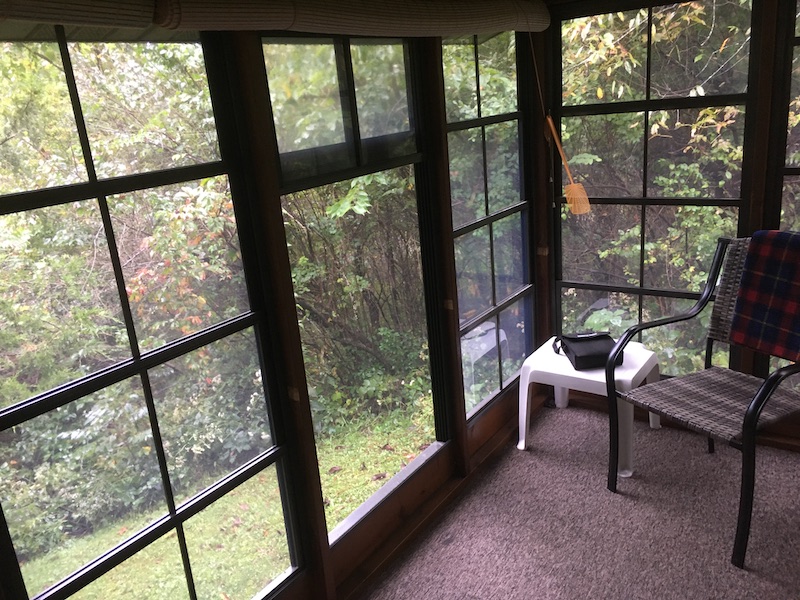
<p>This is the 3rd time I’m been here (Sep 2009, Mar 2012, Sep 2019) and now that I’ve been here for about 24 hours, I’m reminded of why this place is so special and why I will absolutely come back here again. There are 3 individual homes (“hermitages”) at CITW that are spread far apart from one another, on a large (it’s gotta be several acres) plot of land that’s surrounded by trees &amp; birds. This is my 3rd time staying at the “Sabbath Place” hermitage and loving it so far (I’ll need to make sure to try out their other hermitages the next time I’m here).</p>

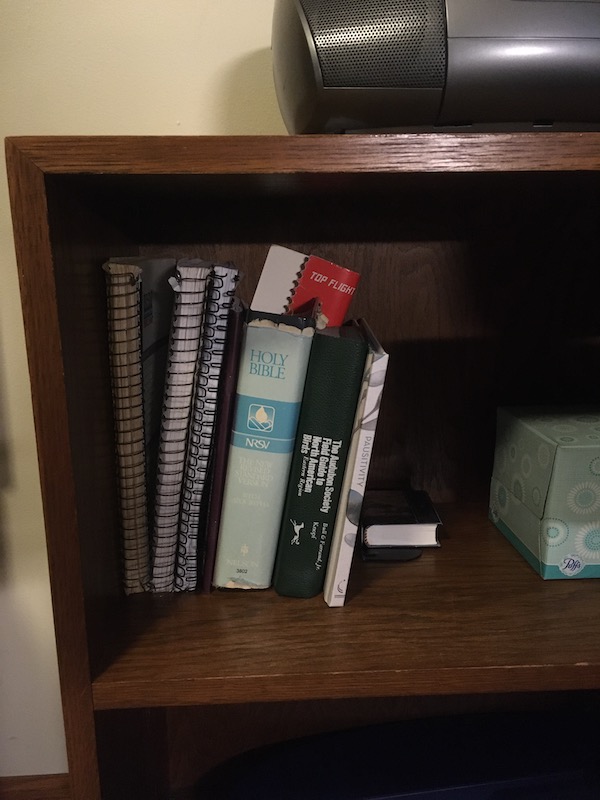
<p>I love the privacy I have (truly feels like I’m in the middle of nowhere), the lack of cell signal (what a gift!), all the greenery, bird sounds, and <em>the journals</em>. There are these journals that contain writings penned by dozens upon dozens of people who have stayed at the Sabbath Place and the earliest writing that I see here dates all the way back to July of 1995. There’s something so beautiful about these writings–thoughts &amp; reflections of people who have stayed at this place. I, of course, looked for &amp; read my own entries from when I stayed here in 2009 &amp; 2012 and it reminded me of God’s goodness &amp; faithfulness.</p>

<p>Alrighty, time to leave to grab some dinner &amp; will push up this blog post once I get back home.</p>

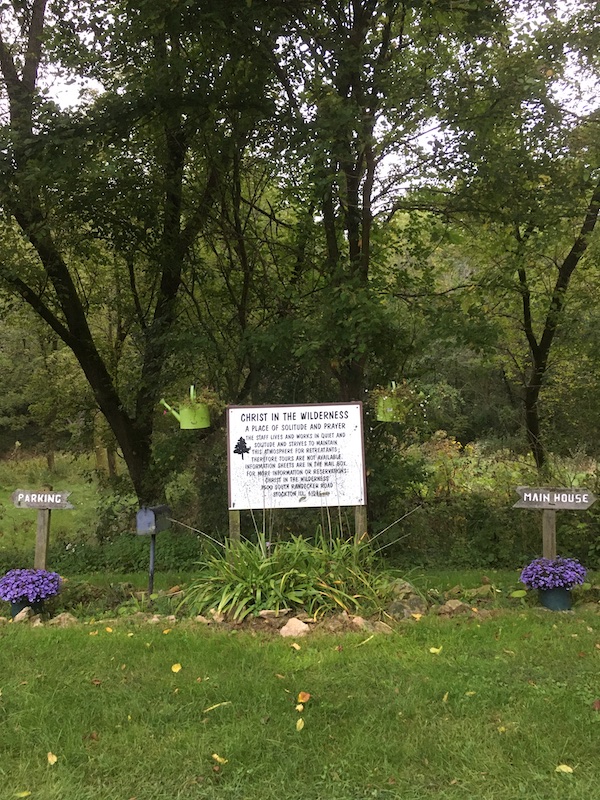
<p><img src="/assets/images/citw-welcome.jpg" alt="Welcome to CITW" /></p>

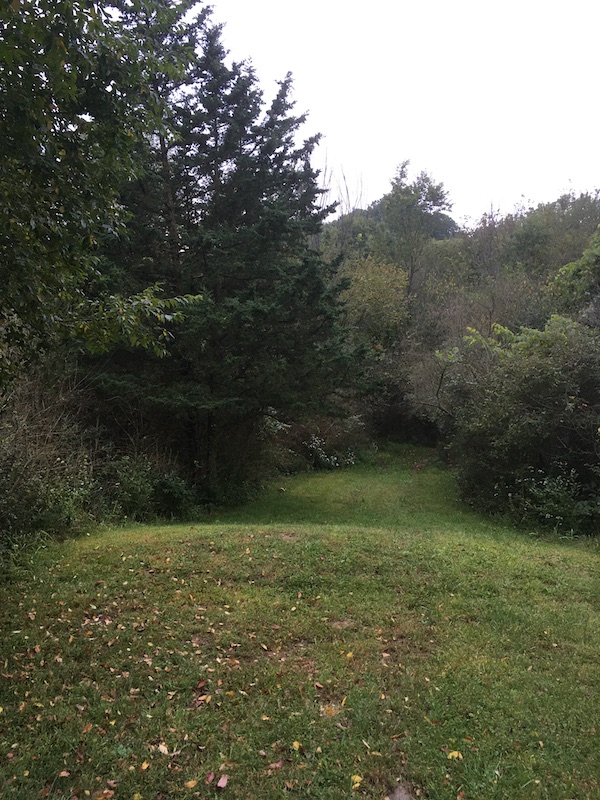
<p><img src="/assets/images/citw-trail.jpg" alt="Trail" /></p>

<p><img src="/assets/images/citw-hermitage.jpg" alt="The Sabbath Place hermitage" /></p>

<p><img src="/assets/images/citw-journals.jpg" alt="The journals" /></p>]]></content><author><name>Junho Park</name></author><category term="retreat" /><summary type="html"><![CDATA[I drove about 2 hours west to Stockton, IL - to a place called Christ in the Wilderness (CITW), to spend a few days (Friday evening - Sunday morning) to myself to pray, reflect, meditate, journal, hike, and rest my too-busy mind.]]></summary></entry><entry><title type="html">Deconstruct</title><link href="http://junhopark.com/2018/05/24/deconstruct.html" rel="alternate" type="text/html" title="Deconstruct" /><published>2018-05-24T00:00:00-05:00</published><updated>2018-05-24T00:00:00-05:00</updated><id>http://junhopark.com/2018/05/24/deconstruct</id><content type="html" xml:base="http://junhopark.com/2018/05/24/deconstruct.html"><![CDATA[<p>I recently returned home from attending <a href="https://www.deconstructconf.com/">Deconstruct</a> along with a bunch of my co-workers. I thought I’d jot my thoughts down while the experience is still fresh on my mind.</p>

<ul>
  <li>It was really nice to be able to attend a conference with a large group of co-workers. There were roughly 20 - 30 Braintree folks (a lot!) at the conference and I got to chat with a good number of them, share meals, and since I’ve only been at the company for a few months now, it was especially nice to be able to meet co-workers I hadn’t met before. Just from my team alone, there were 4 of us (including myself) who were at the conference. It was nice to be able to ask non-strangers “so, what did you think of that last talk?” and I’m sure I’ll engage in more of these discussions back at the office. Really thankful for the generous conference budget we have at Braintree. I intend on making full use of it as long as I’m with the company!</li>
  <li>There were 16 speakers and with the exception of just a single speaker, they were very good. They knew how to present &amp; make it really engaging to a large audience. This conference stands out as being comprised of highly skilled presenters—certainly better than most (perhaps all) other tech conferences I’ve attended in the past.</li>
  <li>I appreciated how diverse the speaker lineup was. Half of the speakers were women (wow). Half of the speakers were minorities (again, wow). There was also a good mix of folks who are early in their software engineering careers (within the first few years of their career) as well as folks who are seasoned veterans. It was nice to be reminded that you don’t have to an expert in your field to be able to speak at a good-sized conference like this. I’ve never been to a conference where the speaker lineup was <em>nearly</em> as diverse as this one.</li>
  <li>The 2 talks that had the most impact on me were talks that challenged me to not merely focus on my own career, my own family, my own well-being, my own self interests, my own world… but to think long and hard about how I can contribute to the betterment of the society &amp; the world that I live in and ultimately take action. I’m greatly simplifying the overall messages of these talks here but these 2 talks were very challenging for me to hear (in a good way). One of these 2 talks got a standing ovation at the end of the talk, which has never happened at any of the tech conferences I’ve attended in the past.</li>
  <li>I liked the single-track format. No need to worry about which talks I’m going to attend and having to repeatedly feel like I’m missing out on numerous interesting-sounding talks. I <em>loved</em> the lack of sponsors. No advertisements. No one trying to sell you stuff. A lot less distractions than most other conferences I’ve attended, which enabled me to focus better on the talks themselves.</li>
  <li>Seattle is great! Everyone tells me how it’s always cloudy or dripping rain in Seattle but the city has been nothing but sunny skies &amp; super comfortable temperatures for me both times I’ve been there. Really like being near large bodies of water as well as mountains and hills.</li>
</ul>]]></content><author><name>Junho Park</name></author><category term="conference" /><summary type="html"><![CDATA[I recently returned home from attending Deconstruct along with a bunch of my co-workers. I thought I’d jot my thoughts down while the experience is still fresh on my mind.]]></summary></entry></feed>